

Introducing QUOPS: A Common Yardstick for Quantum Computing
Date: November 11th, 2026
Quantum hardware is racing toward utility scale, but with teams pursuing very different qubit architectures, comparing progress has never been harder. Qubit counts, gate fidelities, and isolated demonstrations each tell part of the story, but what’s missing is a holistic picture.�
�
Changing that is QUOPS (Quantum Universal Operation Performance System) which was developed by Sandia National Laboratories. QUOPS provides a benchmark that measures computational capability directly, so platforms can be compared on equal footing, no matter which qubits they're built with.�
�
QUOPS has already been measured on leading physical-qubit processors from ³Ô¹ÏºÚÁÏÍø, Google, and IBM, and on a fault-tolerant logical-qubit processor built on ³Ô¹ÏºÚÁÏÍø Helios. You'll be hearing much more about QUOPS as it gains traction across the industry. This webinar is your chance to get ahead of it.
What we cover:
Why the industry needs QUOPS. This webinar explains why existing metrics fall short and why a direct measure of computational capability matters as the field moves toward useful quantum computing.
�
What is the theory behind the benchmark. Researchers explain how QUOPS works, what it measures, and why it makes fair comparisons possible across very different hardware.
�
How does QUOPS work on physical hardware. We walk through how QUOPS is measured in practice and what the results show for leading physical-qubit processors, including ³Ô¹ÏºÚÁÏÍø's own systems.
�
What is the logical leap and what comes next. We share QUOPS results from a fault-tolerant logical-qubit processor built on Helios, discuss what changes when computation moves to the logical layer, and look ahead to what the benchmark will reveal as systems scale.
�
Who should watch? Researchers, engineers, technical decision-makers, and anyone interested in evaluating quantum computing progress through a more rigorous and meaningful measure of performance.
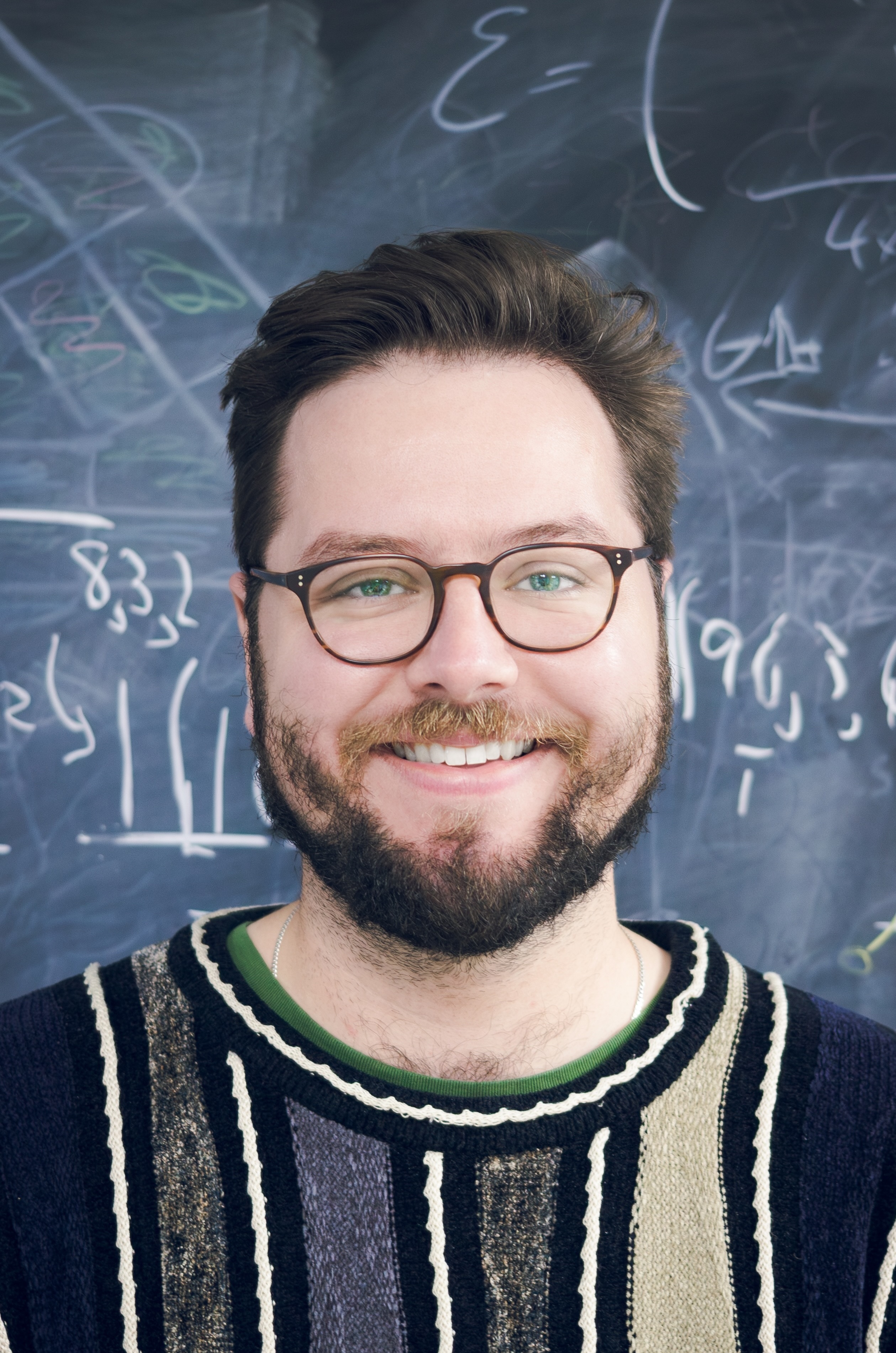
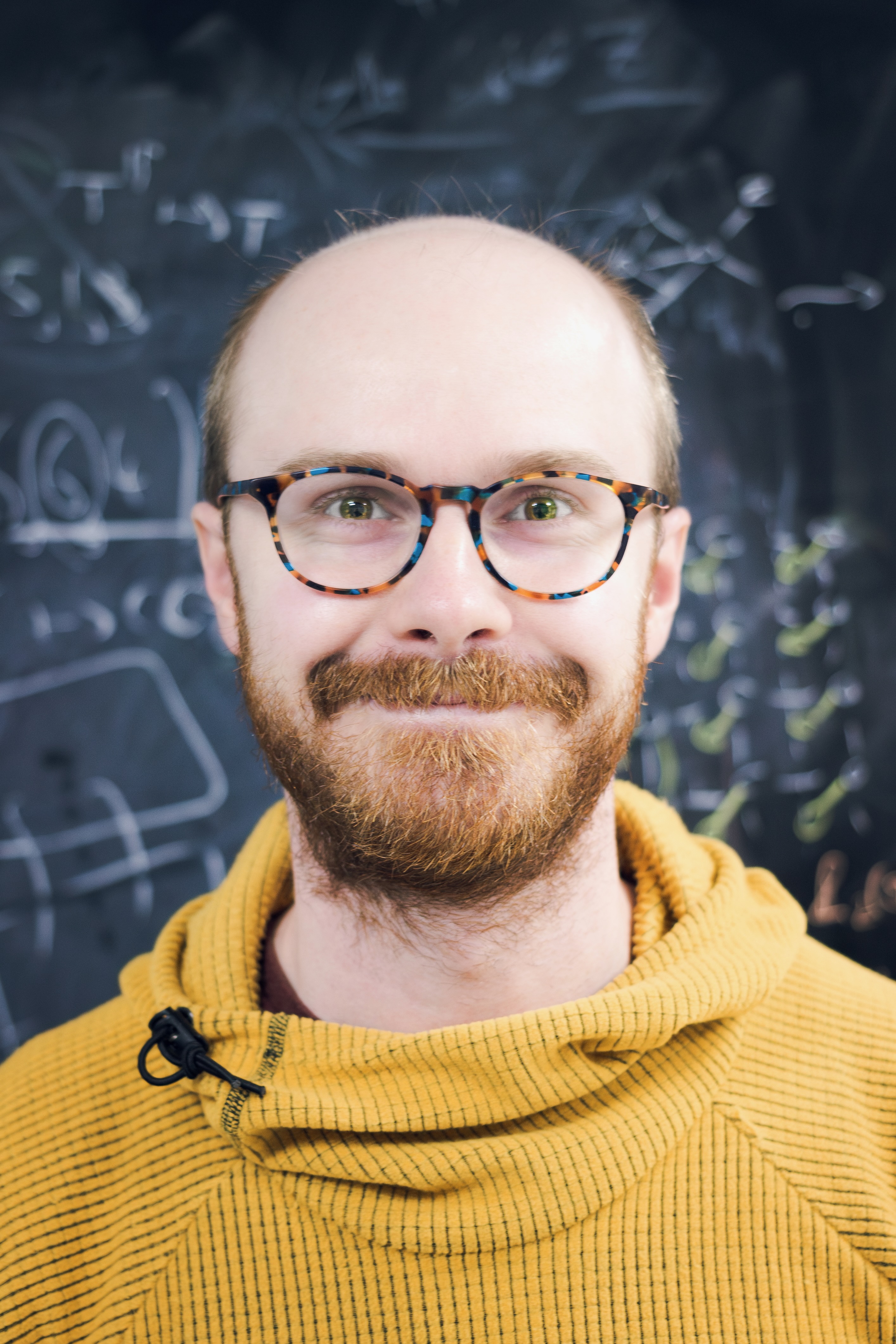
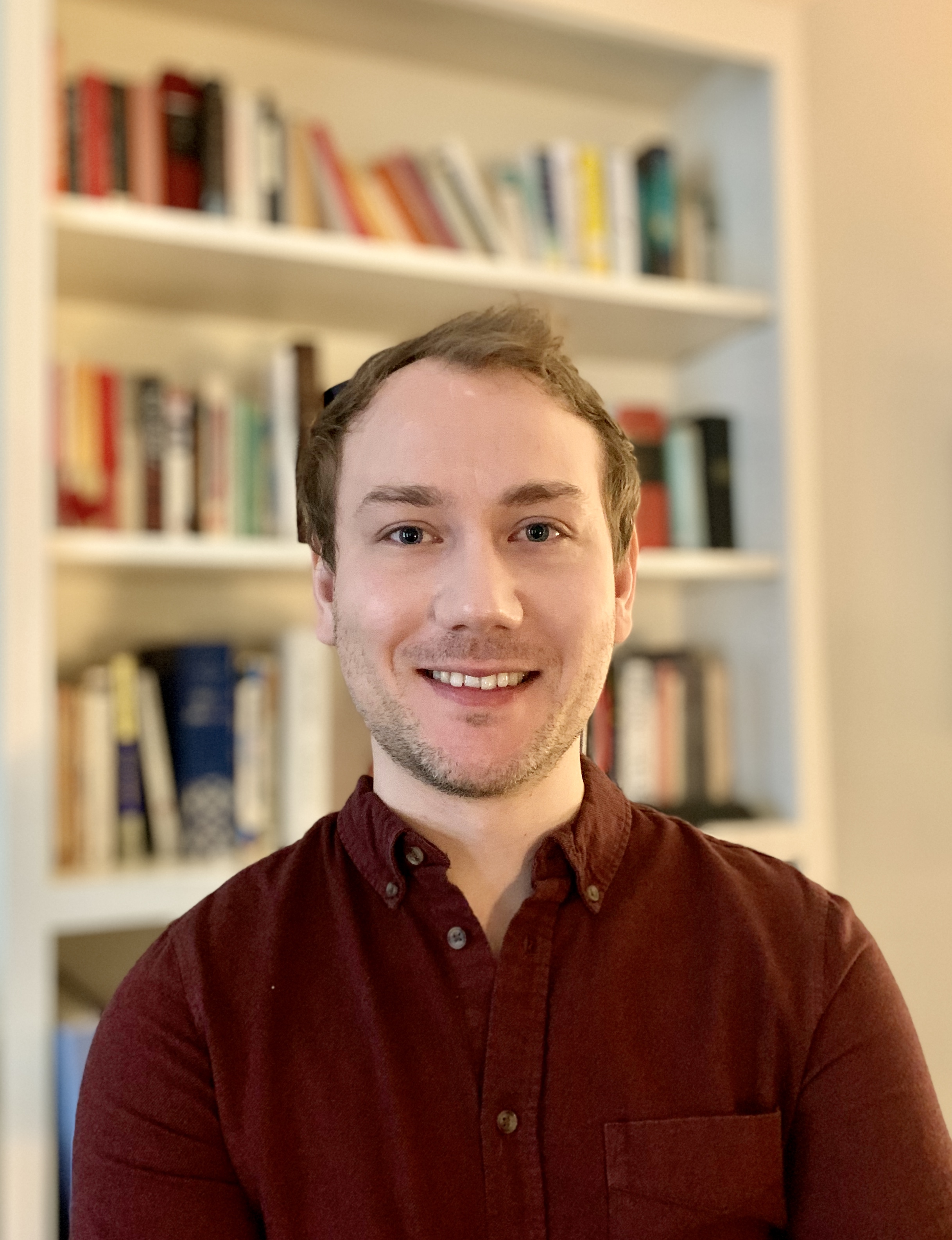
Speaker Details
Get in touch
Partner with us to leverage our industry-leading full-stack quantum technologies to explore breakthroughs in drug discovery, healthcare, materials science, cybersecurity, energy transformation, and climate change.
Dr. Michael Foss Feig
Michael is a fellow physicist at ³Ô¹ÏºÚÁÏÍø working on theoretical aspects quantum computation with trapped ions.  His research is currently focused mainly on near-term applications of quantum computers, especially to solving problems in quantum many-body physics.  Before joining ³Ô¹ÏºÚÁÏÍø, Michael worked on a variety of topics at the interface of atomic physics, quantum optics, condensed-matter physics, and quantum information.